
 ONLINE
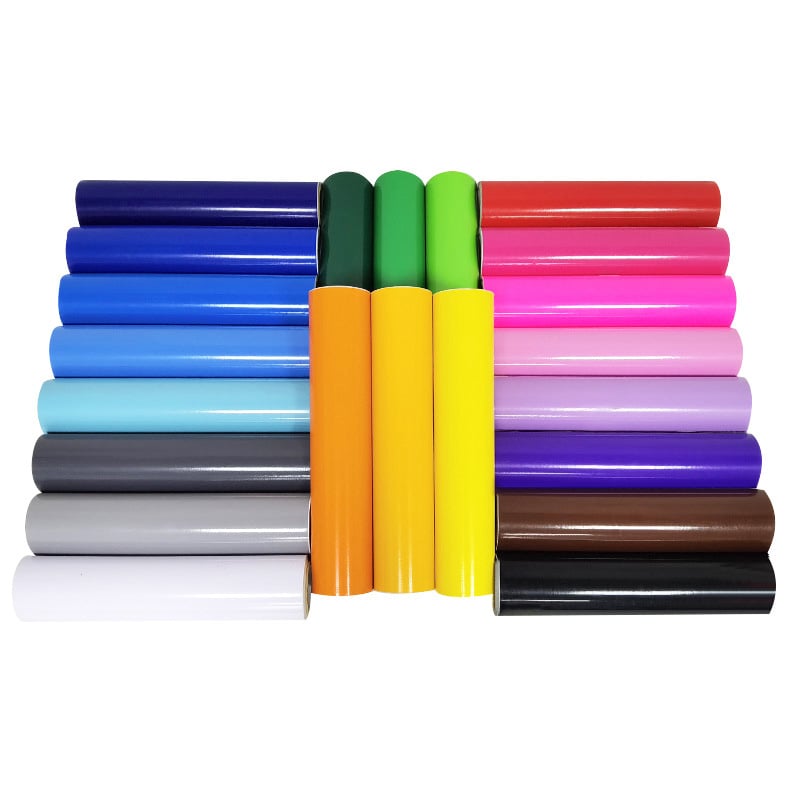
Self-adhesive vinyl is a versatile material widely used in digital printing, signage, and various commercial applications. However, common problems such as bubbles and peeling can significantly impact its performance and appearance. Understanding these issues, along with effective solutions, is vital for purchasing managers, product managers, and other industry professionals. This article will explore the common problems of JUTU self adhesive pvc vinyl, focusing on bubbles, peeling, and practical solutions.
Bubbles and Peeling
Bubbles and peeling are two prevalent issues encountered with self-adhesive vinyl. Bubbles typically occur during installation when air gets trapped beneath the surface of the vinyl. This can lead to an unsightly appearance and reduced adhesion. Peeling, on the other hand, can happen over time due to environmental factors, poor installation techniques, or the quality of the adhesive used.
To mitigate these issues, it’s essential to understand the underlying causes. For instance, bubbles can often be minimized by ensuring the surface is clean and smooth before application, while peeling can be prevented by selecting high-quality vinyl materials that are designed for durability and adhesion. Additionally, ensuring that the vinyl is applied at the right temperature and humidity levels can further reduce the risk of these problems.
Wholesale Solutions for Bubbles and Peeling in Vinyl Applications
Addressing bubbles and peeling effectively requires the right products and installation techniques. JUTU New Materials Technology Limited offers a range of self-adhesive vinyls specifically designed to minimize these issues. Our products are manufactured under stringent quality control processes, ensuring that each roll meets high standards for adhesion and durability.
For wholesale buyers, it’s crucial to select materials that offer excellent performance characteristics. Look for vinyls that are specifically labeled as bubble-free or easy to apply, as these can greatly reduce the likelihood of installation problems. Additionally, consider ordering samples to test the material's performance in your specific application before committing to a larger order.
Effective Installation Tips to Avoid Self-Adhesive Vinyl Problems
Proper installation is key to avoiding common problems with self-adhesive vinyl. Here are some effective tips to ensure a successful application:
Surface Preparation: Ensure the surface is clean, dry, and free from dust, grease, or any contaminants that could affect adhesion. A clean surface allows for better bonding.
Temperature & Humidity: Apply vinyl within the manufacturer’s recommended temperature and humidity ranges. Extremes can affect the adhesive properties, leading to peeling or bubbling.
Use a Squeegee: Use a squeegee to press down the vinyl as you apply it. This helps to push out air bubbles and ensures a strong bond between the vinyl and the surface.
Start from One Edge: Begin applying the vinyl from one edge and gradually work your way across to avoid trapping air underneath.
Avoid Stretching: Do not stretch the vinyl during application. Stretching can lead to distortion and can cause the material to pull away from the surface over time.
By adhering to these installation tips, buyers can significantly reduce the chances of encountering bubbles and peeling with their JUTU transparent self adhesive vinyl.
What to Look For?
When selecting self-adhesive vinyl, there are several key factors to consider:
Material Quality: Choose vinyl that has been manufactured with high-quality adhesives and materials. Look for certifications such as ISO or CE, which ensure compliance with international standards.
Thickness and Flexibility: Depending on the application, the thickness of the vinyl can affect its durability and ease of installation. Thicker vinyl may be more durable but could be less flexible in certain applications.
Adhesion Properties: Understanding the adhesive properties is crucial. Some adhesives are designed for short-term applications, while others are made for long-term use. Ensure the chosen vinyl aligns with your intended duration of use.
Environmental Resistance: If the vinyl will be exposed to outdoor conditions, consider products that offer UV resistance and waterproof characteristics.
Customization Options: Many manufacturers, including JUTU, offer customization options in terms of dimensions, colors, and finishes. This can help in meeting specific project requirements.
By focusing on these factors, buyers can make informed decisions that minimize the risk of issues like bubbles and peeling during application.
Common Application Scenarios for Self-Adhesive Vinyl Solutions
Self-adhesive vinyl is widely utilized across various industries, and understanding common application scenarios can help buyers choose the right product. Some typical uses include:
Signage: From retail storefronts to directional signs, self-adhesive vinyl is perfect for creating eye-catching displays. The right material can enhance visibility while resisting outdoor elements.
Wall Graphics: Interior designers often use self-adhesive vinyl for wall graphics and murals. Selecting removable vinyl can allow for easy application and reapplication without damaging the surface.
Vehicle Wraps: High-quality self-adhesive vinyl is essential for vehicle wraps, requiring durability and flexibility to conform to different surfaces and withstand weather conditions.
Promotional Materials: Businesses often use self-adhesive vinyl for promotional stickers and decals. The adhesive must be strong enough to adhere to various surfaces while still being removable if needed.
Floor Graphics: With the rise of social distancing signage, self-adhesive vinyl is increasingly used for floor graphics. These require a durable finish to withstand foot traffic and maintain appearance over time.
By understanding these common application scenarios, buyers can select the most suitable JUTU self adhesive vinyl for their specific needs, ensuring better performance and longevity while minimizing the risk of issues like bubbles and peeling.
In summary, recognizing the common problems of self-adhesive vinyl, such as bubbles and peeling, along with understanding installation techniques and product specifications is essential for ensuring successful applications. By selecting high-quality materials and adhering to best practices, buyers can effectively mitigate these issues and achieve optimal results in their projects.
