
 ONLINE
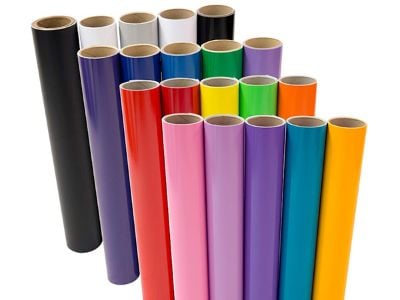
Cutting plotters are essential tools for processing high-quality colored vinyl, especially for applications in signage, vehicle graphics, and various promotional materials. However, to maximize efficiency and achieve the best results, it’s crucial for B2B buyers, such as purchasing managers and product managers, to understand the nuances of cutting plotter usage. This article will provide practical cutting plotter usage tips specifically for processing high-quality colored vinyl, addressing common concerns in material selection, installation, and troubleshooting to help ensure successful outcomes
Where to Source Reliable Colored Vinyl for Bulk Orders
Sourcing high-quality colored vinyl requires careful consideration of the supplier's reliability and product specifications. Buyers should seek manufacturers with established reputations and certifications like ISO, CE, and REACH, which indicate adherence to quality and safety standards. JUTU New Materials Technology Limited, for instance, has been a trusted supplier since 2003, specializing in various vinyl products
When placing bulk orders, it’s essential to inquire about the Minimum Order Quantity (MOQ), production capacity, and lead times. Verify that the supplier can meet your specific requirements, such as color consistency and material thickness. Additionally, request samples to evaluate the material's performance under your intended application conditions before finalizing your order. Establishing a good relationship with your supplier can also help negotiate better pricing and ensure timely deliveries
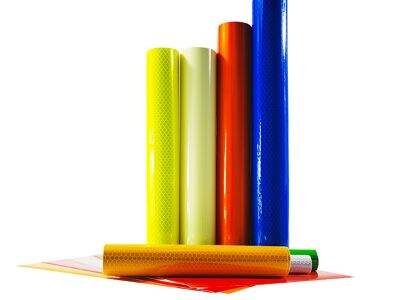
Installation Tips for Achieving Optimal Results with Vinyl Cutting
Proper installation is critical for achieving optimal results with cutting plotters. First, ensure that the cutting plotter is calibrated accurately; this involves adjusting the blade depth and pressure settings based on the thickness and type of colored vinyl being used. Different vinyl materials may require different cutting parameters to avoid issues like tearing or inadequate cuts
Additionally, it is vital to use a clean cutting mat that is free from debris, as any contaminants can affect the adhesion and cutting precision. When loading vinyl into the plotter, make sure it is aligned correctly to prevent misalignment during the cutting process. For intricate designs, consider using weeding tools to remove excess vinyl carefully after cutting, which can be tricky with detailed graphics. Always run a test cut with the final settings to ensure that the plotter performs as expected before proceeding with your full production run
Features that Impact Vinyl Processing
Several features of cutting plotters can significantly impact the processing of high-quality colored vinyl. One important aspect is the cutting force and speed, which must be adjustable to accommodate various vinyl thicknesses and types. A plotter with a higher cutting force is better suited for thicker materials, while a higher speed may be advantageous for larger production runs
Another critical feature is the type of blade used; blades come in different shapes and sizes, tailored for specific applications like fine detail cuts or straight lines. For instance, using a fine-point blade is advantageous for intricate designs, while a deeper blade is better suited for thicker vinyl. Additionally, the software used to design and send files to the plotter plays a significant role in ensuring compatibility and ease of use. Investing in a user-friendly software package can streamline the design process and improve overall efficiency
Common Problems with Cutting Plotters and Their Solutions
Understanding common problems associated with cutting plotters can save time and resources. One frequent issue is blade wear; dull blades can lead to jagged cuts or tearing in the vinyl. Regularly inspect and replace blades as needed to maintain cutting quality
Another common problem is material slippage. If the vinyl is not adhered properly to the cutting mat, it can shift during the cutting process, leading to misaligned cuts. To mitigate this, ensure that the vinyl is securely placed and consider using a larger cutting mat for wider materials. Additionally, if you encounter issues with the plotter not cutting through the vinyl, check the blade depth and pressure settings, as these may need adjustment based on the specific thickness of the material
Finally, software glitches can also pose challenges. Ensure that the cutting software is up-to-date and compatible with the plotter model. In case of persistent issues, consulting the manufacturer’s technical support can provide valuable solutions tailored to your specific equipment
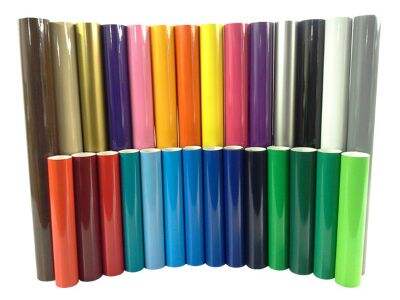
Cost Factors to Consider When Purchasing Colored Vinyl in Bulk
When purchasing colored vinyl in bulk, several cost factors come into play. The initial price per roll is often influenced by the quality of the vinyl, with higher-quality materials typically commanding a premium price. Buyers should also consider the overall lifecycle cost, which includes factors like durability, ease of installation, and performance under various environmental conditions
Shipping costs can also significantly impact total expenditure, especially for international orders. Understanding the supplier's packaging methods and shipping options can help in budgeting appropriately. Furthermore, customization options, such as specific color matching or sizes, might incur additional costs but can be essential for certain applications
Lastly, buyers should evaluate the potential for waste during the cutting process. Efficient use of materials can offset higher initial costs, so investing in a more precise cutting plotter may lead to long-term savings. Always ask suppliers for pricing breakdowns to understand where costs are allocated and how they can be optimized
By understanding these aspects of cutting plotter usage and colored vinyl processing, B2B buyers can make informed decisions that enhance their operations and product offerings
