
 ONLINE
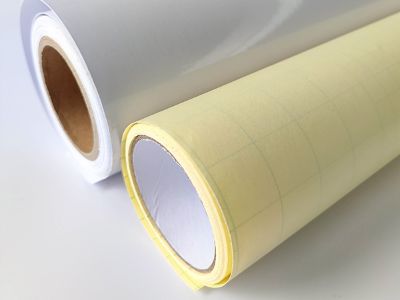
Cold lamination film is an essential protective layer for printed graphics, shielding them from UV rays and scratches. This article explores how cold lamination film protects printed graphics from these environmental hazards, addressing key concerns for purchasing managers, distributors, and engineers. Readers will gain insights into choosing the right film, evaluating options for specific projects, and understanding best practices for effective application
How Cold Lamination Film Enhances UV Protection for Graphics
Cold lamination film is designed to offer exceptional UV protection, extending the lifespan and vibrancy of printed materials. UV rays can cause colors to fade and materials to deteriorate, making it crucial for businesses that rely on visual communication. The film works by creating a barrier that absorbs harmful UV radiation, preventing it from penetrating the printed surface. This is particularly important for outdoor signage, banners, and displays that are exposed to direct sunlight
The level of UV protection varies based on the film's thickness and material composition. A thicker film typically provides better protection, but it is also essential to consider the intended application. For instance, films designed for indoor use may require less UV resistance than those intended for outdoor environments. Therefore, evaluating the specific UV protection needs based on the graphics' placement and anticipated exposure is vital for ensuring long-lasting results
Choosing the Right Cold Lamination Film for Quality Assurance
Selecting the appropriate cold lamination film involves understanding the specific requirements of your project. Factors to consider include the film's thickness, adhesive quality, and surface finish. Thicker films generally offer more durability and protection, but they may also be heavier and less flexible, which could impact the application process
Adhesive quality is another critical aspect. Opt for films with a strong adhesive that can withstand environmental stresses without peeling or bubbling, especially for outdoor applications. Additionally, consider the surface finish—glossy finishes enhance color vibrancy, while matte finishes reduce glare and are often preferred for readability
When discussing options with suppliers, ensure to verify the film's specifications, including its UV resistance rating, compatibility with printing technologies, and any certifications, such as ISO or CE. This attention to detail will help ensure that the selected film meets the necessary quality standards for your graphics
Evaluating Cold Lamination Film for Your Projects
When evaluating cold lamination film roll price, buyers should conduct a thorough assessment to ensure it meets their project needs. Start by requesting samples and conducting practical tests to evaluate adhesion, durability, and visual appearance. This step is crucial to verify that the film performs as expected under real-world conditions
Consider the specific application of the graphics. For example, if the graphics will be subjected to high foot traffic or harsh weather conditions, opt for films with enhanced durability features. Additionally, check for any compatibility issues with the printing method used for your graphics, as certain films may not adhere well to specific inks or substrates
During the evaluation process, also take note of the manufacturer's quality control processes. A reputable supplier, such as JUTU New Materials Technology Limited, ensures that their products undergo rigorous quality checks to meet international standards. This commitment to quality can significantly reduce the risk of issues arising after installation
Best Practices
To maximize the effectiveness of cold lamination film, follow these best practices during application
Surface Preparation: Ensure that the graphic surface is clean and free of dust, oils, or residues. This will enhance adhesion and prevent bubbles or peeling
Temperature Control: Apply the film in a controlled environment where temperature and humidity levels are stable. Extreme conditions can affect the adhesive properties and overall performance of the film
Proper Application Technique: Use a laminating machine or hand roller to apply the film evenly, avoiding air pockets. If using a machine, ensure it is calibrated for the thickness of the chosen film
Post-Application Inspection: After application, inspect the graphics for any defects, such as bubbles or imperfections. Addressing these issues promptly can prevent further complications down the line
Storage and Handling: Store unused cold lamination film in a cool, dry place, and handle it carefully to avoid damage. Proper handling can extend the shelf life and maintain the quality of the film
By adhering to these best practices, businesses can ensure that their graphics remain protected and visually appealing for extended periods
Where to Buy Reliable Cold Lamination Film for Your Business Needs
When sourcing matte cold lamination film, it is crucial to choose a reliable manufacturer or supplier. Look for companies with a strong reputation in the industry, such as JUTU New Materials Technology Limited, which has been a leading manufacturer since 2003. A reputable supplier will provide high-quality products that meet international standards, such as ISO and CE certifications
Before making a purchase, gather information regarding minimum order quantities (MOQ), lead times, and customization capabilities. Understanding these factors can help you plan your procurement process more effectively. Additionally, inquire about packaging methods to ensure that the film arrives undamaged and ready for use
Consider reaching out to the supplier with detailed information about your project, including the type of graphics, application environment, and specific requirements. This will enable them to recommend the most suitable cold lamination film for your needs, ultimately supporting your business's visual communication objectives
By following these guidelines, B2B buyers can make informed decisions and ensure that their printed graphics are well-protected against UV damage and scratches, enhancing their overall effectiveness in visual communication
