
 ONLINE
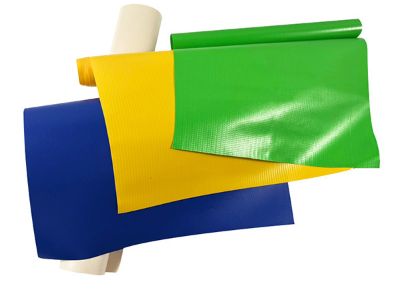
Heavy-duty PVC tarpaulin is a versatile and robust material widely used in various industrial applications. As a product known for its durability and weather resistance, it addresses key concerns for B2B buyers, including material performance, application suitability, and cost-effectiveness. This article will explore the key application scenarios for heavy-duty PVC tarpaulin in industrial fields, providing insights into its advantages, specifications, cost factors, and effective sourcing strategies
Key Advantages of Heavy-Duty PVC Tarpaulin for Industrial Use
Heavy-duty PVC tarpaulin stands out for its exceptional strength and resilience, making it ideal for demanding environments. One of the primary advantages is its resistance to water, UV rays, and chemicals, which ensures longevity and reliability in various applications. This durability translates to lower replacement costs and reduced maintenance needs, a significant concern for purchasing managers
Additionally, PVC tarpaulin offers excellent flexibility, allowing it to be molded into various shapes and sizes without compromising strength. This adaptability makes it suitable for numerous applications, including protective covers, storage solutions, and industrial curtains. The material's flame-retardant properties also enhance safety, particularly in environments where fire hazards may be present
Moreover, heavy-duty PVC tarpaulin is easy to clean, which further supports its use in industries that require stringent hygiene standards, such as food processing and pharmaceuticals
Comparing Heavy-Duty PVC Tarpaulin Specifications for Your Needs
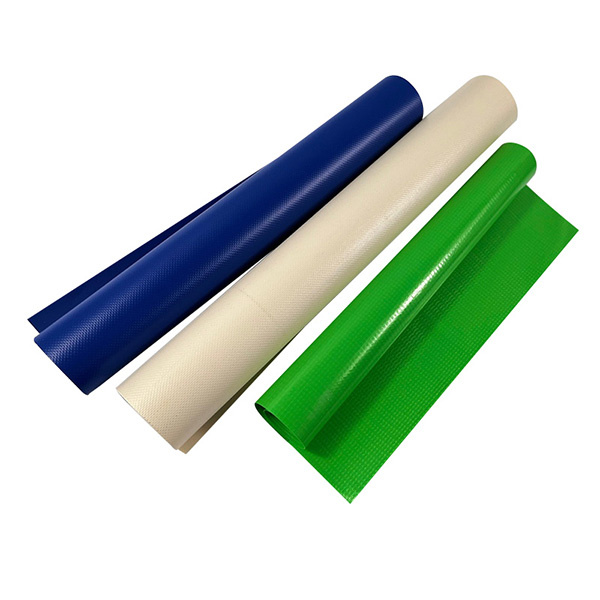
When evaluating heavy-duty PVC tarpaulin, several specifications need to be considered to ensure it meets your specific application requirements. Key specifications include thickness, weight, tensile strength, and tear resistance
Thickness: Typically measured in millimeters, the thickness of the tarpaulin affects its durability and flexibility. Thicker tarps provide better protection against wear and tear but may be less flexible for certain applications
Weight: The weight of the material directly influences its strength and ease of handling. Heavier tarps usually offer increased durability, which is crucial for applications exposed to harsh weather conditions
Tensile Strength: This is a measure of how much force the tarpaulin can withstand before breaking. Higher tensile strength is essential for applications that involve significant stress or strain
Tear Resistance: This specification indicates how well the tarpaulin can resist tearing under pressure. It is particularly important for applications where the material may be subject to sharp objects or high tension
Understanding these specifications can help you select the right type of heavy-duty PVC tarpaulin that aligns with your operational demands
Evaluating Cost Factors for Heavy-Duty PVC Tarpaulin Purchases
Cost considerations for heavy-duty PVC tarpaulin purchases extend beyond the initial price. Buyers should evaluate several factors that influence the total cost of ownership
Material Quality: Higher-quality tarpaulins may have a higher upfront cost but can lead to lower replacement costs and maintenance expenses over time
Quantity Discounts: Many manufacturers, including JUTU New Materials Technology Limited, offer bulk purchasing options that reduce the per-unit cost. Understanding Minimum Order Quantities (MOQs) can help you negotiate better pricing
Customization Needs: Custom sizes, colors, or treatments may increase the overall cost but can be essential for specific applications. Buyers should weigh the benefits of customization against the cost implications
Shipping and Handling: Consider the logistics involved in transporting heavy-duty tarpaulin. Shipping costs can vary significantly based on the order size and distance
Lifecycle Costs: Factor in the expected lifespan of the tarpaulin. A cheaper product may wear out quickly, leading to higher long-term costs for replacements
By assessing these factors, buyers can make informed decisions that align with their budget and operational needs
Application Scenarios of Heavy-Duty PVC Tarpaulin in Various Industries
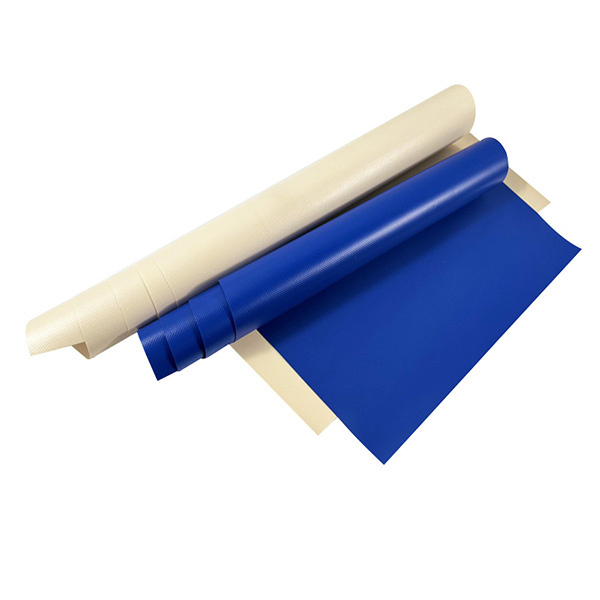
Heavy-duty PVC tarpaulin is utilized across multiple industries, each requiring specific characteristics from the material
Construction: In construction, tarpaulins are commonly used for site protection, debris containment, and weatherproofing. Their water-resistant properties make them ideal for safeguarding materials and equipment against the elements
Transportation and Logistics: Tarpaulins function as protective covers for freight and cargo, ensuring that goods are shielded from weather impacts during transit. They are also used in truck Tarping systems, where their tensile strength is critical for securing loads
Agriculture: In agricultural settings, heavy-duty tarpaulin is employed for creating temporary shelters, covering hay bales, and protecting equipment from harsh weather conditions. Their UV resistance is particularly beneficial for outdoor use
Events and Entertainment: Tarpaulins provide effective barriers and covers for outdoor events, festivals, and exhibitions. Their customization options allow for branding and promotional use, enhancing visual appeal
Industrial Applications: Tarpaulins are used as protective barriers in manufacturing settings, providing safety and protection for workers and equipment against dust, chemicals, and other hazards
Understanding these application scenarios can help buyers select the right type of heavy-duty PVC tarpaulin that best fits their industry requirements
Sourcing Heavy-Duty PVC Tarpaulin Effectively
Finding the right supplier for heavy duty PVC tarpaulin involves several key considerations to ensure quality and reliability
Research and Reviews: Investigate potential suppliers by looking for reviews and testimonials from other buyers. This can provide insights into the supplier’s reliability, quality of products, and customer service
Certifications: Ensure that the supplier’s products meet relevant certifications, such as ISO, CE, or REACH. These certifications indicate adherence to industry standards and can help mitigate risks associated with material quality
Sample Approval: Before placing a large order, request samples to verify that the specifications and quality meet your expectations. Testing samples under real operational conditions can reveal potential issues that may not be apparent in a standard review
Customization Capabilities: If your application requires specific dimensions or features, confirm that the supplier can accommodate these customization requests without compromising on quality or performance
Lead Times and Delivery: Discuss lead times and delivery options upfront to ensure that your timeline aligns with your project schedules. Understanding the supplier’s capacity for timely delivery is crucial for operational planning
By focusing on these sourcing strategies, buyers can secure heavy-duty PVC tarpaulin that meets their specific needs while establishing a reliable partnership with manufacturers like JUTU New Materials Technology Limited
Table of Contents
- Key Advantages of Heavy-Duty PVC Tarpaulin for Industrial Use
- Comparing Heavy-Duty PVC Tarpaulin Specifications for Your Needs
- Evaluating Cost Factors for Heavy-Duty PVC Tarpaulin Purchases
- Application Scenarios of Heavy-Duty PVC Tarpaulin in Various Industries
- Sourcing Heavy-Duty PVC Tarpaulin Effectively
