
 ONLINE
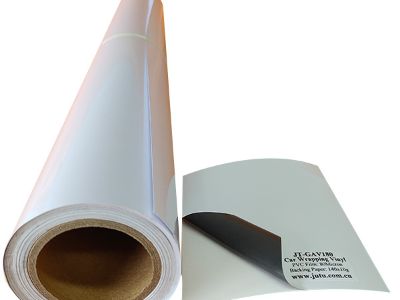
When sourcing self-adhesive vinyl for sign making and printing, having a comprehensive buying checklist is crucial for ensuring quality and performance. This Self-Adhesive Vinyl Buying Checklist for Sign Makers and Print Shops outlines essential specifications, common issues, and practical applications, enabling purchasing managers and product managers to make informed decisions.
Key Specifications to Evaluate in Self-Adhesive Vinyl Products
When evaluating self-adhesive vinyl products, several key specifications should be considered to ensure optimal performance and suitability for your specific application:
Thickness: The thickness of self-adhesive vinyl typically ranges from 50 to 200 microns. Thicker vinyl offers better durability and resistance to environmental factors, making it suitable for outdoor applications. For indoor signage, a thinner option may suffice, but it’s essential to confirm that the thickness meets the durability requirements of the intended use.
Adhesive Type: Different adhesives offer varying levels of tackiness and removability. Permanent self adhesive vinyl provide lasting bonds, while removable adhesives allow for repositioning without damage. Understanding the application whether for temporary displays or long-term signage will help you select the right adhesive type.
Surface Finish: Self-adhesive vinyl is available in various finishes, such as matte, gloss, or satin. The finish can impact the visual appeal and legibility of the printed graphics. For example, a gloss finish enhances color vibrancy but may cause glare under certain lighting conditions, making it less suitable for some applications.
Dimensional Stability: This refers to the ability of the vinyl to maintain its shape and size under temperature fluctuations and humidity. Poor dimensional stability can lead to warping or bubbling during installation, so it’s critical to choose vinyl that is designed to withstand the specific environmental conditions of its application.
Compatibility with Printing Technologies: Ensure that the vinyl is compatible with your printing methods, whether digital printing, screen printing, or solvent printing. This compatibility affects the final appearance and adhesion of the printed graphics.
Where to Find Reliable Suppliers of Self-Adhesive Vinyl?
Finding trustworthy suppliers for self-adhesive vinyl is integral to ensuring product quality and consistent supply. Here are some tips for sourcing reliable manufacturers:
Industry Associations and Trade Shows: Engage with industry associations and attend trade shows focused on signage and graphic materials. These platforms provide opportunities to meet suppliers, see product samples, and discuss specific requirements face-to-face.
Online Research: Utilize B2B platforms and directories to identify potential suppliers. Look for manufacturers with a solid reputation, positive customer reviews, and relevant certifications such as ISO or CE.
Request Samples: Before making large orders, request samples to evaluate the quality and performance of the vinyl. This step allows you to assess the material firsthand and determine whether it meets your specifications and application needs.
Supply Chain Reliability: Investigate the supplier’s production capacity and lead times. Ensure they can meet your demand consistently, especially if you require custom specifications or large quantities.
Common Problems with Self-Adhesive Vinyl and Effective Solutions
Despite the advantages of self-adhesive vinyl, users may encounter several common issues:
Bubble Formation: This can occur during application due to improper installation techniques or insufficient surface preparation. To avoid bubbles, ensure that the surface is clean and dry and use tools like a squeegee to apply pressure evenly while removing air pockets.
Poor Adhesion: If the vinyl does not adhere properly, it may be due to low-quality adhesive or incompatible surfaces. Always test the adhesive vinyl black on the application surface before full installation. If adhesion issues persist, consider using a different adhesive type or surface preparation method.
Fading or Discoloration: Exposure to UV light can cause fading over time. To mitigate this, look for vinyl products that include UV-resistant properties or consider applying a protective laminate over the printed graphics.
Applications of Self-Adhesive Vinyl in Sign Making and Printing
Self-adhesive vinyl is highly versatile and can be used in various applications, including:
Indoor Signage: Ideal for creating vibrant, eye-catching signs for retail environments, exhibitions, and corporate offices. The variety of finishes allows for customization to match branding requirements.
Outdoor Signage: Durable and weather-resistant vinyl is suitable for outdoor signage, including billboards, vehicle wraps, and promotional banners. Select materials that withstand UV exposure and adverse weather conditions.
Wall Murals and Decorative Graphics: Self-adhesive vinyl can be used to create wall murals or decorative graphics in commercial spaces, enhancing aesthetic appeal without the need for permanent fixtures.
Labels and Stickers: Custom labels for products, packaging, or promotional materials can be efficiently produced from permanent self adhesive vinyl, offering flexibility in design and application.
Quality Control Practices for Self-Adhesive Vinyl Manufacturing
To ensure the highest quality in self-adhesive vinyl products, effective quality control practices are essential:
Material Inspection: Raw materials should undergo thorough inspection upon arrival at the manufacturing facility. This includes checking for consistency in color, thickness, and adhesive properties to ensure that they meet established specifications.
In-Process Testing: Implementing in-process testing during the manufacturing stages helps identify potential issues early. This can include testing adhesive properties, dimensional stability, and surface finish quality before the final product is completed.
Final Product Evaluation: Before shipping, conduct a final inspection to ensure that the finished self-adhesive vinyl meets all quality standards. This includes verifying dimensions, adhesive strength, and overall appearance to ensure that the product is fit for its intended application.
Customer Feedback Loops: Establishing channels for customer feedback can help manufacturers continually improve product quality. Understanding user experiences and common issues can guide refinements in the manufacturing process.
By following this Self-Adhesive Vinyl Buying Checklist for Sign Makers and Print Shops, purchasing managers and product managers can make informed decisions that enhance the quality of their signage and printing projects.
Table of Contents
- Key Specifications to Evaluate in Self-Adhesive Vinyl Products
- Where to Find Reliable Suppliers of Self-Adhesive Vinyl?
- Common Problems with Self-Adhesive Vinyl and Effective Solutions
- Applications of Self-Adhesive Vinyl in Sign Making and Printing
- Quality Control Practices for Self-Adhesive Vinyl Manufacturing
