
 ONLINE
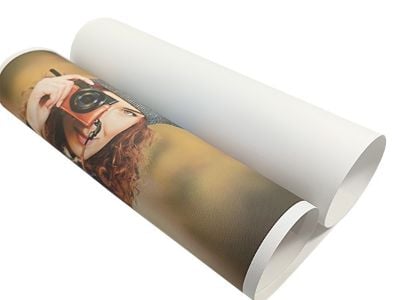
Cold lamination film is an essential material used in various applications, ranging from signage to packaging. However, many businesses encounter common mistakes when using cold lamination film, which can affect the final outcome of their projects. This article identifies these pitfalls and provides practical guidance on how to avoid them. By understanding the key factors involved in selecting and using cold lamination film, B2B buyers can make informed decisions and ensure optimal results for their visual communication needs.
How to Choose the Right Cold Lamination Film for Your Project?
Selecting the right cold cold lamination film for your project is crucial to achieving the desired results. Buyers should consider several factors, including the film's thickness, adhesive type, and intended application. Thicker films generally provide better protection and durability, making them suitable for outdoor use. Conversely, thinner films are often preferred for indoor applications where flexibility and ease of handling are more critical.
Another key consideration is the type of adhesive used in the film. Permanent adhesives provide a strong bond but may be difficult to remove, while removable adhesives offer flexibility for temporary applications. Buyers should match the adhesive type to the intended use to ensure the film adheres properly without causing damage upon removal.
Additionally, consider the film’s compatibility with the substrates being laminated. For example, certain films work better on paper products, while others are designed for plastic or vinyl surfaces. Evaluating these factors carefully will help buyers avoid common mistakes and achieve the best results.
What to Look for in Cold Lamination Film?
When evaluating cold lamination film, it's essential to assess specific product attributes that impact performance and suitability. Key specifications to consider include:
Thickness: This is typically measured in mils (thousandths of an inch). Thicker films (e. g., 5 mils) offer more protection but may be less flexible than thinner options (e. g., 1-3 mils). The choice depends on the project's requirements for durability versus flexibility.
Finish: Cold lamination films come in various finishes, including gloss, matte, and satin. The finish affects the appearance of the final product and may influence factors like glare reduction and clarity. For example, gloss finishes enhance color vibrancy but may reflect light, while matte finishes reduce glare and provide a more subdued look.
UV Resistance: For outdoor applications, choosing a film with UV resistance is critical to prevent fading and deterioration due to sunlight exposure. This feature extends the lifespan of the laminated product, ensuring it remains visually appealing and functional over time.
Temperature Tolerance: Understanding the temperature range in which the laminated product will be used is vital. Some films may not perform well in extreme heat or cold, leading to peeling or distortion.
By focusing on these attributes, buyers can select cold lamination films that meet their project requirements and avoid common pitfalls associated with incompatible materials. 
Where to Source Reliable Cold Lamination Film Suppliers for Wholesale?
Finding reliable suppliers for cold lamination film is essential for maintaining quality and consistency in your projects. Start by researching manufacturers with a solid reputation and experience in the industry. Look for suppliers that hold relevant certifications, such as ISO, CE, and REACH, which indicate adherence to quality standards and regulatory compliance.
Networking within industry-specific forums and trade shows can also yield valuable supplier recommendations. Additionally, consider requesting samples from potential suppliers to evaluate the quality of their products firsthand. This will help you assess the film's performance before committing to a bulk order.
When discussing wholesale options, inquire about minimum order quantities (MOQs), lead times, and customization capabilities. Reliable suppliers should be transparent about these factors, helping you make informed decisions that align with your project timeline and budget.
Cost Factors to Consider When Buying Cold Lamination Film in Bulk
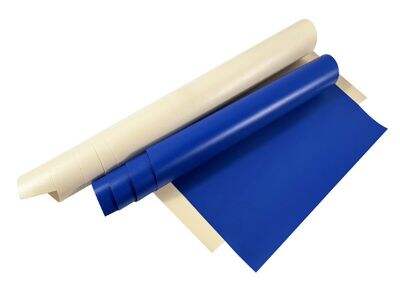
When purchasing cold matte cold lamination film in bulk, several cost factors come into play that can impact your overall budget. Here are the key considerations:
Unit Price: The unit price of cold lamination film can vary based on thickness, finish, and adhesive type. While lower-priced options may seem attractive, they may not provide the same level of performance as higher-quality films. Evaluate the total cost against expected performance to ensure long-term value.
Shipping Costs: Bulk orders often incur significant shipping fees. Understanding the shipping options available and factoring these costs into your budget is essential. Some suppliers may offer free shipping for larger orders, which can help offset expenses.
Customization Costs: If your project requires customized film (such as specific dimensions or finishes), be prepared for potential additional costs. Discuss customization options with your supplier to understand how these will affect your pricing.
Quality Control: Investing in quality control measures, such as testing samples, can prevent costly mistakes down the line. Ensuring that the film meets your specifications before mass production can save time and resources.
By considering these factors, buyers can make informed purchasing decisions that align with their budget and project requirements.
Comparing Different Types of Cold Lamination Film for Your Needs
Choosing the right type of cold lamination film involves understanding the different options available and their specific applications. Here are the primary types of cold lamination films and their respective uses:
Standard Cold Lamination Film: This is the most common type, suitable for a variety of applications, including posters, signs, and documents. It provides a good balance of durability and flexibility, making it an excellent option for general use.
Textured Cold Lamination Film: This type features a textured surface that adds depth and visual interest to laminated items. Textured films are often used in high-end applications, such as packaging for luxury products or artistic displays.
UV-Resistant Cold Lamination Film: Specifically designed for outdoor applications, these films offer protection against UV rays, preventing fading and degradation. They are ideal for signage and displays that will be exposed to sunlight.
Anti-Graffiti Cold Lamination Film: This specialized film is designed to withstand graffiti and other forms of vandalism. It allows for easy cleaning without damaging the underlying graphics, making it perfect for public installations.
Heat-Resistant Cold Lamination Film: Suitable for applications that may experience high temperatures, this film maintains its integrity and performance even in challenging environments.
When comparing these types, consider the specific requirements of your project, including environmental conditions, desired appearance, and expected usage. Each type of cold lamination film offers distinct advantages, so understanding these differences will help you avoid common mistakes and select the right product for your needs.
Table of Contents
- How to Choose the Right Cold Lamination Film for Your Project?
- What to Look for in Cold Lamination Film?
- Where to Source Reliable Cold Lamination Film Suppliers for Wholesale?
- Cost Factors to Consider When Buying Cold Lamination Film in Bulk
- Comparing Different Types of Cold Lamination Film for Your Needs
