
 ONLINE
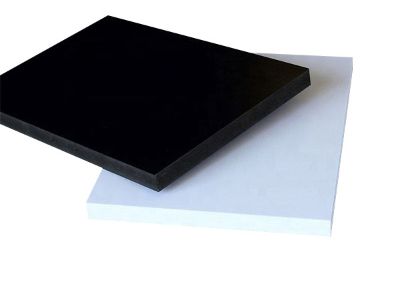
Reflective sheets play a critical role in enhancing visibility & safety in various applications, from road signage to construction projects. Understanding the different grades of reflective sheets is essential for meeting specific safety standards that vary across industries, we will explore how to choose the right reflective sheet for your project, delve into the specifications that comply with industry standards, discuss cost factors when purchasing, and address common problems associated with reflective sheets along with their solutions.
Understanding Safety Standards
Safety standards for reflective sheets are established to ensure visibility in low-light conditions, which is crucial for public safety. Organizations like the American Society for Testing and Materials (ASTM) and the International Organization for Standardization (ISO) provide guidelines that define how reflective materials should perform under various conditions. These standards categorize reflective sheets into different grades based on their reflective properties, durability, and application suitability.
For instance, ASTM D4956 outlines the classification of reflective sheeting types, ranging from Type I (high-intensity) to Type IV (engineering grade). Each type is designed for specific scenarios; for example, Type I is ideal for parking signs, while Type IV is suitable for highway signs due to its superior reflectivity. Understanding these classifications helps buyers select materials that not only comply with local regulations but also enhance safety in their specific environments.
How to Choose the Right Reflective Sheet for Your Project?
Selecting the appropriate reflective sheet involves several considerations. First, assess the intended application and environment where the sheet will be used. For example, reflective sheets used in road signage must withstand varying weather conditions and UV exposure, while those for indoor applications may prioritize aesthetic qualities.
Next, evaluate the reflective grade needed. If high visibility is paramount, opt for higher grades like Type III or IV, which offer exceptional reflectivity. Consider the thickness and adhesive strength as well; a thicker sheet can enhance durability, especially in high-traffic areas. Additionally, customization options may be available to meet specific project requirements, such as unique dimensions or printed graphics.
Finally, engage in a dialogue with your supplier. Discuss your project needs, expected lifespan, and any regulatory compliance requirements. A reputable manufacturer like JUTU New Materials Technology Limited can provide valuable insights into material selection and ensure that your chosen reflective sheet meets all necessary standards.

Specifications for Reflective Sheets that Meet Industry Standards
When evaluating reflective sheets, several key specifications should be considered:
Reflectivity: Measured in candelas per lux per square meter (cd/lx/m²), this specification indicates how well a sheet reflects light. Higher values correlate with better visibility.
Durability: This includes resistance to weather, UV degradation, and physical wear. Look for sheets with a long lifespan, especially for outdoor applications.
Adhesive Type: The adhesive must be suitable for the surface it will be applied to. Some applications may require removable adhesives, while others need permanent solutions.
Thickness: The overall thickness can influence both durability and flexibility. Thicker sheets are generally more robust but may not fit all applications.
Color and Finish: Reflective sheets come in various colors and finishes. The color can affect visibility in different lighting conditions, while the finish (matte or gloss) may influence the aesthetic appeal.
Ensuring these specifications align with industry standards will help guarantee that the reflective sheets perform effectively in their intended applications.

Cost Factors to Consider When Purchasing Reflective Sheets
The cost of reflective sheets can vary widely based on several factors. Key considerations include:
Material Quality: Higher-grade reflective sheets made from premium materials typically come at a higher price but offer better performance and longevity.
Customization: Custom sizes, colors, or printed graphics can increase costs. Discussing your specific needs with the supplier can help manage these costs effectively.
Quantity: Bulk purchases often come with discounts, so consider the total volume needed for your project. This can significantly impact the per-unit cost.
Supplier Location: Shipping costs can vary based on the supplier's location and the destination. If you are sourcing from an international supplier, ensure you account for potential tariffs and customs duties.
Lead Time: Custom orders may require longer lead times, which can affect project timelines and potentially incur additional costs if rush processing is necessary.
By understanding these factors, buyers can better prepare their budgets and make informed purchasing decisions.
Common Problems with Reflective Sheets and Their Solutions
While reflective sheets are generally reliable, various challenges can arise during their use or installation. Common issues include:
Poor Adhesion: If the sheet does not stick properly, it could lead to peeling or bubbling. Ensure that the surface is clean and dry before application. Using the correct adhesive type for the surface can also mitigate this issue.
Inconsistent Reflectivity: Variations in material quality can lead to uneven reflectivity. Always source from reputable manufacturers and request samples to evaluate performance before large-scale orders.
Fading: Exposure to sunlight can lead to color fading over time. Select sheets with UV-resistant properties to prolong their appearance and functionality.
Tearing or Damage: In high-traffic areas, retro reflective sheets
may be subject to physical damage. Consider thicker, more durable options for such applications, and explore protective lamination as an additional safeguard.
By anticipating these challenges and understanding potential solutions, buyers can ensure that they select the right reflective sheets for their applications and maintain their effectiveness over time.
understanding the different grades of reflective sheets is essential for meeting various safety standards and ensuring effective communication in your projects. By considering specifications, cost factors, and potential challenges, you can make informed decisions that enhance safety and visibility in your applications.
