
 ONLINE
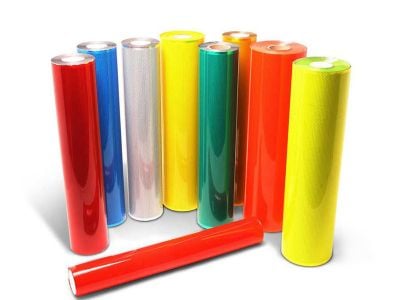
Reflective sheets are essential materials used in traffic signs and safety advertising, designed to enhance visibility in low-light conditions. This Reflective Sheet Sourcing Guide for Traffic Sign and Safety Advertising will address the critical concerns B2B buyers face, such as product specifications, common issues, installation guidance, purchasing tips, and expert insights on applications. By understanding these factors, purchasing managers, engineers, and product managers can make informed decisions when sourcing reflective sheets for their projects.
Key Specifications to Consider When Selecting Reflective Sheets
When evaluating reflective sheets, several key specifications should be prioritized to ensure optimal performance in traffic signs and safety advertising.
Material Type: Reflective sheets are typically made from vinyl or polymer materials. Vinyl sheets offer flexibility and durability, while polymer sheets may provide enhanced reflectivity and weather resistance. The choice of material affects both the longevity and effectiveness of the signage.
Reflectivity Class: Reflective sheets are classified based on their reflectivity, usually categorized into types such as Engineer Grade, High-Intensity Grade, and Super High-Intensity Grade. Understanding these classes is crucial, as they denote the level of brightness and visibility the signage will achieve under various lighting conditions.
Thickness: The thickness of reflective sheets can influence durability and application suitability. Thicker sheets often withstand harsher weather conditions and physical wear, making them ideal for long-term installations.
Adhesive Quality: The adhesive used on the backing of reflective sheets is critical for ensuring a strong bond to surfaces. High-quality adhesives should be resistant to temperature fluctuations and moisture to prevent peeling or lifting over time.
Durability Ratings: Look for durability ratings that indicate the printable wallpaper design resistance to UV exposure, chemicals, and abrasion. This information is vital for ensuring that the reflective sheets maintain their appearance and functionality over time.
By considering these specifications, buyers can select reflective sheets that meet their specific needs for visibility, durability, and application.
Common Problems with Reflective Sheets and Their Solutions
Despite their effectiveness, reflective sheets can present several common issues that buyers should be aware of:
Peeling or Lifting: One of the most frequent problems encountered is the adhesive failing, leading to peeling. To mitigate this, ensure that the surface is clean and dry during installation. Using a high-quality adhesive and following the manufacturer's recommendations regarding surface preparation can greatly reduce this risk.
Fading and Discoloration: Over time, exposure to sunlight and harsh weather can cause fading. Choosing sheets with UV-resistant coatings can help maintain color vibrancy and reflectivity. It's also advisable to select products with a proven track record in your specific climate conditions.
Poor Visibility: If reflective aluminum composite panel signage do not meet the required reflectivity standards, visibility can be compromised. Conducting tests under various lighting scenarios before mass production can help identify any potential issues with reflectivity.
Installation Errors: Incorrect installation can lead to bubbling or misalignment of the sheets. To avoid this, follow detailed installation guidelines and consider professional installation for larger or complex signage.
By addressing these common problems proactively, buyers can ensure the longevity and effectiveness of their reflective sheets in traffic and safety applications.
Installation Guidance for Reflective Sheets in Signage Applications
Proper installation is crucial for the performance of reflective sheets. Here’s a step-by-step guide to ensure successful application:
Surface Preparation: Clean the surface where the reflective sheet will be applied. Remove any dirt, dust, or grease to ensure maximum adhesion. The surface should be smooth and dry.
Temperature Considerations: Install reflective sheets in recommended temperature ranges, typically between 50°F to 85°F (10°C to 30°C). Extreme temperatures can affect adhesive performance.
Cutting and Trimming: Use a sharp utility knife or scissors to cut the reflective sheets to the desired size. Make sure to allow for a slight overlap if applying multiple sheets to avoid gaps.
Application Technique: Begin applying the reflective sheet from one edge, using a squeegee or credit card to smooth out air bubbles as you go. Work towards the opposite edge, ensuring a tight bond with no wrinkles or bubbles.
Curing Time: Allow the adhesive to cure as recommended by the manufacturer, typically 24-48 hours, before exposing the signage to traffic or weather conditions.
Following these installation guidelines can significantly enhance the performance and lifespan of reflective sheets in signage applications.
Wholesale Purchasing Tips for Reflective Sheets in Bulk
When sourcing reflective sheets in bulk, several factors can affect pricing and overall purchasing success:
Request for Quotation (RFQ): When preparing an RFQ, include specific details such as the type of reflective sheet, dimensions, quantity, and any customization needs. Providing a clear picture of your requirements can lead to more accurate quotations.
Minimum Order Quantity (MOQ): Be aware of the supplier's MOQ, as this can affect your budget and inventory management. Discussing flexible options or combining orders with other materials can sometimes lower MOQs.
Sample Approval: Always request samples before committing to a large order. Evaluating the sample under actual usage conditions will help ensure the product meets your expectations in terms of reflectivity, adhesion, and durability.
Comparison of Suppliers: Evaluate potential suppliers based on product quality, delivery capabilities, and customer service. Prioritize manufacturers with relevant certifications, such as ISO, CE, and REACH, which indicate adherence to quality and safety standards.
Negotiation for Better Pricing: Don't hesitate to negotiate bulk pricing with suppliers. Discuss potential discounts for larger orders or long-term purchasing agreements.
By following these tips, buyers can streamline their procurement process and secure high-quality reflective sheets at competitive prices.
Expert Insights on Reflective Sheet Applications in Safety Advertising
Reflective sheets are utilized in various applications beyond traditional traffic signage, making them versatile for safety advertising. Here are some expert insights into their use:
Emergency Signage: Reflective sheets are crucial for emergency exit signs and hazard markers, ensuring they remain visible even in low-light situations. Selecting high-intensity reflective materials can significantly enhance safety during emergencies.
Promotional Displays: In retail environments, reflective sheets can be used for eye-catching advertising displays. Their ability to reflect light can draw attention to promotional messages, especially in dimly lit areas.
Vehicle Identification: Reflective materials are widely used in vehicle graphics to enhance visibility during nighttime driving. This is particularly important for emergency vehicles and fleets, ensuring they are easily identifiable in traffic.
Construction Sites: Safety reflective sheeting for traffic signs at construction sites often uses reflective sheets to ensure visibility. These sheets can be customized with specific safety messages and are essential for compliance with safety regulations.
Customization Options: Many manufacturers, including JUTU New Materials Technology Limited, offer customization options for reflective sheets, allowing businesses to incorporate logos, colors, and messages tailored to their specific needs.
By understanding these applications, B2B buyers can leverage reflective sheets effectively to enhance safety and visibility in various advertising and operational contexts.
Table of Contents
- Key Specifications to Consider When Selecting Reflective Sheets
- Common Problems with Reflective Sheets and Their Solutions
- Installation Guidance for Reflective Sheets in Signage Applications
- Wholesale Purchasing Tips for Reflective Sheets in Bulk
- Expert Insights on Reflective Sheet Applications in Safety Advertising
