
 ONLINE
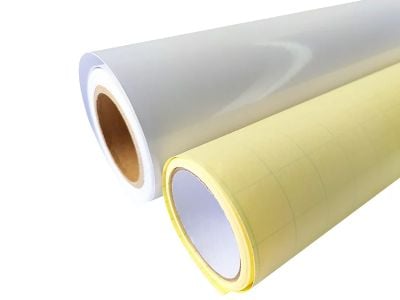
Self-healing performance evaluation for high-grade decorative vinyl is essential for buyers in industries such as signage, digital printing, and construction. This article addresses key concerns such as product durability, application suitability, and supplier reliability, helping purchasing managers and decision-makers make informed choices when evaluating self-adhesive vinyl options.
Specifications for Self-Healing Performance in Decorative Vinyl
Self-healing decorative vinyl is engineered to resist damage and maintain its visual appeal over time. Key specifications include thickness, which typically ranges from 3 to 5 mils; this affects durability and flexibility. The material often consists of a high-grade PVC blend, providing resistance to scratches and minor impacts. Another critical specification is the self-healing capability, which refers to the material's ability to recover from surface scratches when exposed to heat, allowing it to maintain a smooth appearance. This feature is particularly beneficial in high-traffic environments where visual integrity is paramount. The adhesive used in self-healing digital printing vinyl also plays a significant role, with pressure-sensitive adhesives being common due to their ease of application and reposition ability. Buyers should evaluate these specifications based on their intended application, as different environments may necessitate varying levels of durability and flexibility. For example, a vinyl used outdoors may require UV resistance, while indoor applications may prioritize aesthetic qualities.
Common Problems with Decorative Vinyl and Their Solutions
Decorative vinyl can face several challenges during installation and use. One common issue is adhesive failure, which can lead to bubbling or peeling. To mitigate this, ensure that the surface is clean and properly prepared before application. Conducting a surface adhesion test can also help determine compatibility. Another frequent problem is fading over time, particularly in outdoor applications where UV exposure is prevalent. Buyers should look for decorative self adhesive vinyl specifically formulated with UV inhibitors to combat this issue. Additionally, using a protective topcoat can enhance durability and color retention. Lastly, improper installation can result in uneven surfaces or wrinkles. To avoid this, it's advisable to employ professional installation services or follow manufacturer guidelines closely. Regular maintenance, including cleaning with non-abrasive materials, can also prolong the life of decorative vinyl.
Where to Source Reliable Suppliers of Decorative Vinyl?
Sourcing high-grade decorative vinyl requires diligence to ensure supplier reliability. Start by researching manufacturers with a proven track record in the industry, such as JUTU New Materials Technology Limited, which has been in operation since 2003 and exports to over 90 countries. Look for suppliers who are ISO, CE, and REACH certified, as these certifications indicate adherence to quality and safety standards. When evaluating suppliers, request samples to assess the product quality firsthand. Additionally, inquire about their production capabilities, customization options, and lead times. A supplier that can accommodate specific requirements, such as custom sizes or unique finishes, can provide added value. Networking with industry professionals and attending trade shows can also facilitate connections with reputable suppliers. Online platforms that aggregate supplier reviews and ratings can further assist in identifying trustworthy manufacturers.
Cost Considerations for High-Grade Decorative Vinyl Purchases
Cost factors for high-grade decorative vinyl vary based on several elements. First, the type of vinyl selected can significantly impact pricing; self-healing vinyl typically commands a premium due to its enhanced performance characteristics. Order quantities also play a crucial role in pricing. Many manufacturers have minimum order quantities (MOQs), which can affect overall costs. Bulk purchases often lead to price reductions, making it advantageous for businesses with consistent needs. Customization, such as unique printing or specific finishes, can also influence costs. Buyers should clarify their requirements upfront to receive accurate quotes. Additionally, consider shipping costs and delivery times, as these can add to the total expenditure. Ultimately, evaluating the total cost of ownership, including durability and maintenance, can provide insights into the long-term value of high-grade decorative vinyl.
Comparing Self-Healing Decorative Vinyl with Traditional Options
When deciding between self-healing decorative vinyl and traditional vinyl options, several factors come into play. Self-healing vinyl offers superior durability and aesthetic longevity, making it ideal for environments where visual appeal is crucial, such as retail displays or high-traffic signage. In contrast, traditional vinyl may be more cost-effective for short-term applications or projects with minimal wear and tear. However, it often lacks the self-repairing properties of self-healing vinyl, which can lead to increased costs over time due to replacements or repairs. Another consideration is installation ease. Self-healing vinyl, with its advanced adhesive technology, can be easier to install and reposition, reducing labor costs. On the other hand, traditional vinyl may require more careful handling to avoid damage during installation. Ultimately, the choice between self-healing decorative sticky back vinyl and traditional options should be guided by the specific requirements of the project, including expected lifespan, environmental conditions, and budget constraints.
Table of Contents
- Specifications for Self-Healing Performance in Decorative Vinyl
- Common Problems with Decorative Vinyl and Their Solutions
- Where to Source Reliable Suppliers of Decorative Vinyl?
- Cost Considerations for High-Grade Decorative Vinyl Purchases
- Comparing Self-Healing Decorative Vinyl with Traditional Options
