
 ONLINE
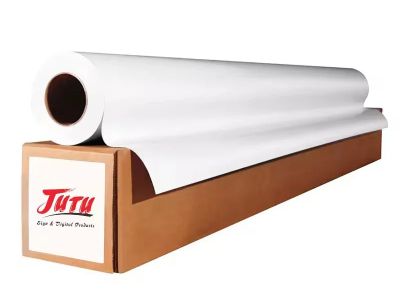
The decorative vinyl market is rapidly evolving, particularly for interior wall and furniture renovation. This growth is driven by the increasing demand for aesthetic, durable, and cost-effective solutions in interior design. B2B buyers, such as purchasing managers and product managers, often face concerns regarding material quality, application suitability, and supplier reliability. This article will explore key trends, specifications, and practical considerations for those looking to invest in decorative vinyl for their projects.
What to Look for in Decorative Vinyl Products?
When selecting decorative vinyl products, it’s crucial to consider several specifications that directly influence performance and suitability. Key factors include:
Material Composition: Decorative vinyl can be made from various materials, including PVC and other polymers. Understanding the material's properties, such as flexibility, durability, and resistance to wear and tear, is essential for ensuring longevity in interior applications.
Thickness and Dimensions: The thickness of vinyl products typically ranges from 0.1 mm to 2 mm. Thicker options may provide enhanced durability, but they can also be more challenging to handle during installation. Buyers should assess the dimensions based on the intended application, ensuring the material fits the space without compromising aesthetics.
Adhesive Type: Self-adhesive digital printing vinyl are preferred for ease of installation. However, the type of adhesive used can affect the ease of application and removal. Pressure-sensitive adhesives are common, but ensuring they are appropriate for the intended surface is vital.
Surface Finish: Options vary from matte to glossy finishes. The choice depends on the desired aesthetic impact and practical considerations like cleaning and maintenance. For high-traffic areas, a finish that withstands wear is advisable.
Certifications: Products that meet ISO, CE, and REACH standards, like those offered by JUTU New Materials Technology Limited, reassure buyers about quality and safety, reflecting best practices in manufacturing and environmental compliance.
Where to Source Reliable Decorative Vinyl Suppliers for Your Needs?
Finding trustworthy suppliers for decorative vinyl requires careful research and evaluation. Here are some steps to ensure you partner with reliable manufacturers:
Check Certifications: Always look for suppliers that hold relevant industry certifications, such as ISO and REACH. These certifications indicate adherence to quality and safety standards.
Review Product Range: A supplier with a diverse product portfolio is often better equipped to meet varying needs. Evaluate their offerings in terms of material types, thicknesses, finishes, and customization options.
Assess Manufacturing Capabilities: Understanding a supplier's production capacity and equipment can provide insights into their ability to deliver on time and meet quality standards. Look for information on their factory capabilities and any advanced technologies used in manufacturing.
Request Samples: Always ask for samples before placing a bulk order. This allows you to assess the product quality, appearance, and suitability for your specific application.
Read Reviews and Testimonials: Customer feedback can provide valuable insights into a supplier's reliability, customer service, and product performance. Look for reviews on reputable industry websites or forums.
Budgeting for Bulk Orders
When budgeting for bulk orders of decorative vinyl, consider several factors that can impact the overall cost:
Material Costs: Prices can vary significantly based on the type of vinyl and its specifications. Higher-quality materials may have a higher upfront cost but can lead to savings in maintenance and replacement over time.
Minimum Order Quantity (MOQ): Many suppliers have an MOQ that can affect pricing. Understanding the MOQ can help in budgeting and determining whether to consolidate orders for better pricing.
Shipping and Handling: Factor in shipping costs, which can vary based on order size and destination. Consider discussing freight options with suppliers to identify the most cost-effective solutions.
Installation Costs: Budget for the installation process, including labor and any additional materials required for a successful application. Poor installation can lead to costly repairs or replacements.
Contingency Budget: It’s wise to set aside a contingency budget for unforeseen expenses, such as last-minute changes or additional materials needed during installation.
Common Installation Problems with Decorative Vinyl and Solutions
While installing decorative vinyl can be straightforward, several common issues may arise. Here are some problems and their solutions:
Air Bubbles: Air trapped beneath the vinyl can mar the appearance. To prevent this, ensure surfaces are clean and smooth before application. If bubbles occur, use a pin to release the trapped air and smooth the area with a squeegee.
Misalignment: Ensuring accurate alignment during installation is crucial to achieving a professional look. Before applying the vinyl, mark guidelines on the wall or surface to assist with precise placement.
Adhesive Issues: If the vinyl does not adhere properly, it may be due to surface contamination or incorrect adhesive type. Ensure the surface is clean and dry, and choose an adhesive suitable for the application.
Damage During Installation: polyvinyl chloride foam board can be susceptible to cuts or tears during installation. Use proper tools and techniques to minimize damage. Always have extra material on hand to replace any damaged sections.
Environmental Factors: Temperature and humidity can affect the vinyl's performance. Install in controlled conditions whenever possible, and allow the material to acclimate to the environment before application.
Applications of Decorative Vinyl in Interior Wall and Furniture Design
Decorative vinyl is versatile and can be applied in various interior design contexts. Key applications include:
Wall Coverings: Vinyl can transform plain walls into striking backdrops. Its variety of colors and patterns allows designers to achieve different aesthetics, from modern to classic.
Furniture Renovation: Applying decorative vinyl to furniture can breathe new life into old pieces. Whether covering chairs, tables, or cabinets, vinyl provides an affordable and stylish solution.
Signage: In commercial spaces, decorative self adhesive vinyl is often used for signage, combining functionality with visual appeal. Its durability makes it suitable for both indoor and outdoor applications.
Retail Displays: Retailers frequently use decorative vinyl for creating eye-catching displays. The ease of installation and removal allows for frequent updates to merchandising strategies.
Interior Accents: Vinyl can be used creatively to add accent features, such as borders or patterns, enhancing the overall design without significant investment.
understanding the decorative vinyl market trends for interior wall and furniture renovation is essential for making informed purchasing decisions. By focusing on material quality, reliable sourcing, budgeting, installation challenges, and diverse applications, B2B buyers can navigate the market effectively and enhance their projects with this versatile material.
