
 ONLINE
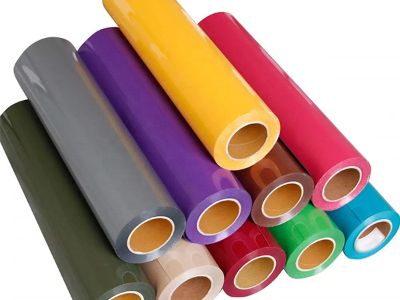
Choosing the right decorative vinyl for different base surface materials is crucial for ensuring successful application and long-lasting performance. This article focuses on how to pick suitable decorative sticky vinyl, addressing key considerations that B2B buyers face, such as material compatibility, installation methods, and cost factors. By understanding these aspects, purchasing managers, engineers, and product managers can make informed decisions that align with their project requirements.
How to Choose Decorative Vinyl for Various Surface Materials?
Selecting the appropriate decorative vinyl depends largely on the type of base surface material being used. Common surface materials include wood, metal, glass, and concrete, each presenting unique challenges and advantages.
Wood: For wooden surfaces, consider vinyl that has a strong adhesive to ensure proper bonding. The texture of wood can affect the vinyl's application; therefore, a thicker vinyl may be preferable to accommodate any surface irregularities.
Metal: When applying vinyl to metal, ensure that the material is compatible with the metal type. Certain adhesives can react with metals, leading to poor adhesion or deterioration over time. A vinyl with a high-tack adhesive is often recommended for better grip.
Glass: Glass surfaces require a vinyl that offers transparency and a smooth finish. Opt for a decorative film vinyl that is specifically designed for glass, ensuring it is easy to remove without leaving residue.
Concrete: For concrete surfaces, choose a vinyl that is durable and able to withstand rough textures. Consider options that offer moisture resistance, especially if the concrete is outdoors or in a humid environment.
How to Assess Decorative Vinyl for Your Needs?
When assessing decorative vinyl for your project, consider the following factors:
Material Specifications: Look at the thickness, flexibility, and durability of the vinyl. Thicker digital printing vinyl tend to be more durable but may be less flexible, which can be an issue for intricate applications. Flexibility is important in applications requiring curves or complex shapes.
Adhesive Quality: The type of adhesive used is critical. Permanent adhesives are suitable for long-term applications, while removable adhesives are better for temporary displays. Assess the adhesive's performance under different environmental conditions, such as temperature and humidity.
Finish and Texture: The finish can significantly impact the visual appeal and functionality. Matte finishes reduce glare and are often used in professional settings, while gloss finishes can enhance colors and visuals but may show fingerprints or dirt more easily.
Compliance and Certifications: Ensure that the vinyl meets relevant industry standards and certifications, such as ISO and REACH, which speak to its quality and safety in various environments.
Cost Factors to Consider When Purchasing Decorative Vinyl in Bulk
Cost is a significant concern when purchasing decorative vinyl in bulk. Here are some essential factors to consider:
Material Costs: The choice of material directly influences pricing. High-quality vinyl may have a higher upfront cost but can be more economical in the long run due to its durability and performance.
Customization Options: Custom designs, colors, or sizes can increase costs. Be clear about your requirements when requesting quotes to avoid unexpected expenses.
Order Volume: Bulk purchasing often yields lower unit prices. Discuss minimum order quantities (MOQ) with suppliers to determine the most cost-effective purchasing strategy.
Shipping and Handling: Factor in shipping costs, especially if ordering from international suppliers. Understand the delivery timeframes and any potential duty fees that could affect overall pricing.
Installation Guidance for Decorative Vinyl on Different Base Materials
Proper installation is crucial for ensuring the longevity of decorative vinyl. Here are some guidelines for various surfaces:
Preparation: Thoroughly clean the surface to remove dust, grease, or contaminants. For porous surfaces like concrete, consider sealing the surface before application.
Temperature Conditions: Apply vinyl in optimal temperature conditions, typically between 60°F and 80°F (15°C to 27°C). Extreme temperatures can affect adhesive performance.
Using Tools: Utilize tools such as squeegees for applying vinyl smoothly and avoiding air bubbles. A utility knife may be necessary for trimming edges.
Curing Time: Allow the adhesive to cure properly before exposing the vinyl to stress or environmental factors. Each product may have different curing times, so refer to the manufacturer's guidelines.
Applications of Decorative Vinyl in Various Industries and Projects
Decorative vinyl is versatile and can be used across multiple industries and projects. Some common applications include:
Signage: Many businesses use decorative vinyl for signage, benefiting from its ease of customization and application on various surfaces.
Interior Design: In commercial spaces, decorative vinyl is popular for wall coverings, offering aesthetic appeal and durability.
Automotive: Vinyl wraps are used extensively in the automotive industry for branding and customization, allowing for unique designs that are easily removable.
Events and Exhibitions: Temporary displays often utilize decorative vinyl due to its flexibility and the ability to create eye-catching graphics that can be easily installed and removed.
By understanding how to select and apply decorative vinyl appropriately, buyers can enhance the effectiveness of their projects while ensuring quality and durability. For specific needs and further assistance, consulting with a manufacturer like JUTU New Materials Technology Limited can provide valuable insights tailored to your requirements.
Table of Contents
- How to Choose Decorative Vinyl for Various Surface Materials?
- How to Assess Decorative Vinyl for Your Needs?
- Cost Factors to Consider When Purchasing Decorative Vinyl in Bulk
- Installation Guidance for Decorative Vinyl on Different Base Materials
- Applications of Decorative Vinyl in Various Industries and Projects
